Sales
POS or billing export, day-end reports, and credit notes for returns.
Industry
A shop makes many small sales through several payment channels. If the day's figures are not matched while people still remember them, small gaps become a year of guesswork.
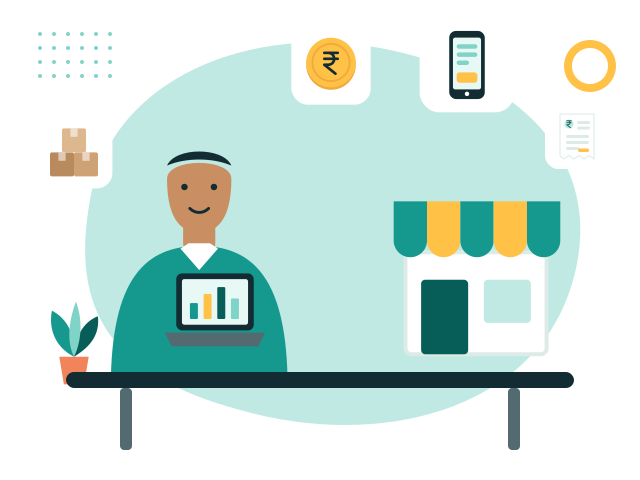
Do this at the same time every day. Use a sheet or your billing software's day-end report. The figures here are invented.
| Line | Billed | Actual |
|---|---|---|
| Cash | ₹12,000 | Counted: ₹11,900 |
| UPI | ₹18,500 | App report: ₹18,500 |
| Card | ₹6,000 | Machine batch: ₹6,000 |
| Returns | ₹1,000 | Credit notes: ₹1,000 |
| Difference | ₹100 short in cash. Note a reason, and who checked it | |
POS or billing export, day-end reports, and credit notes for returns.
Bank and payment-app statements, card settlements, and cash banked.
Supplier bills, transport, and your payments to each supplier.
A count, even of main lines. Without one, profit is an estimate.
Rent, staff, electricity and small cash spends, with vouchers.
Damaged goods, gifts, owner's drawings, or stock taken for personal use.
For most shops, stock is where the money sits. You do not need to count everything each month. Count your top items, count everything at least at year end, and check for dead stock. Billing software only helps if purchases and sales are entered item by item.
If most of your sales are on credit to other businesses, accounting for traders is closer to your needs. If you are starting from nothing, try the small business guide.
Tell us what you sell, how you bill, and how customers usually pay.